
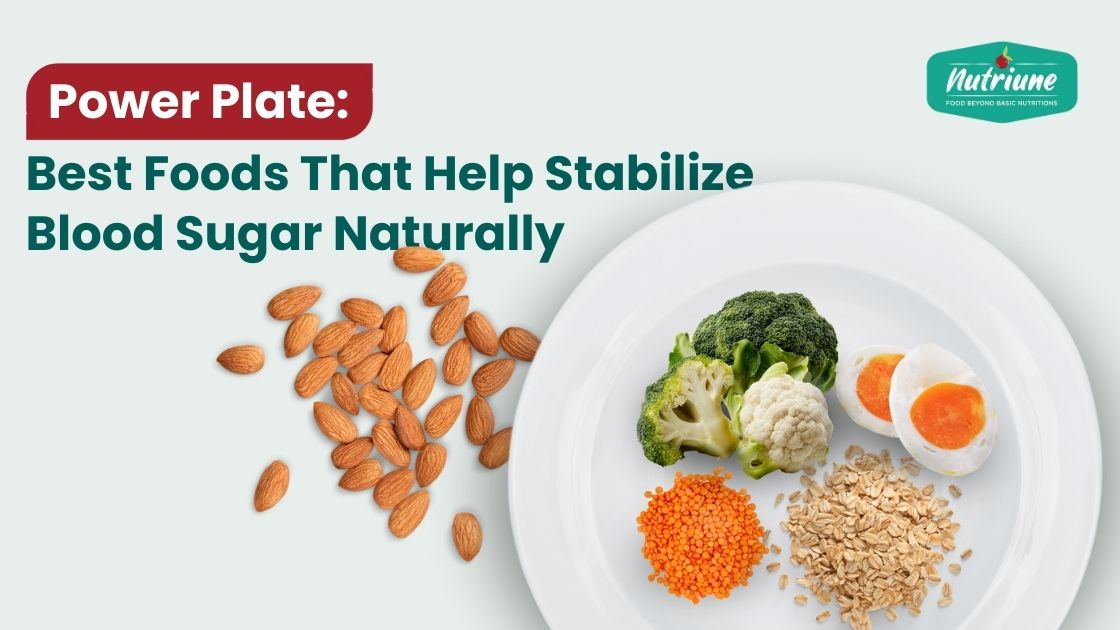
Managing your daily energy, mood, and metabolic health starts on your plate. If you’ve ever wondered what kinds of foods help keep your blood sugar steady, you’re not alone millions of people look for practical, nutrition-based ways to support glucose balance without relying on medicines. Fortunately, plenty of natural foods slow sugar absorption, improve insulin sensitivity, and help your body regulate glucose more smoothly throughout the day.
Understanding Blood Sugar and Why It Fluctuates
Blood sugar, or glucose, is your body’s primary source of energy. However, maintaining stable glucose levels is essential for long-term metabolic health. When blood sugar rises too quickly or drops too suddenly, it can lead to fatigue, cravings, and long-term health complications.
According to World Health Organization, consistent high blood sugar levels over time can increase the risk of metabolic disorders and insulin resistance. This is why dietary choices play a crucial role in preventing imbalances before they develop into more serious conditions.
In this guide, we explore the top foods and eating patterns that support stable blood sugar levels, how they work, and simple ways to integrate them into everyday meals. We’ll also touch on how supportive nutrition like Nutriune’s metabolic formulas can fit into a balanced lifestyle when whole food choices fall short.
Why Food Matters for Blood Sugar Stability
Your blood sugar rises after meals when carbohydrates turn into glucose. Fast-digesting carbs, sugary foods, and refined grains can cause rapid spikes, while high-fiber, nutrient-dense foods slow glucose absorption and help your body maintain balance. Research shows that diets high in refined carbohydrates can lead to rapid glucose spikes and long-term metabolic imbalance.
Stable glucose levels offer real-life benefits such as:
- Better day-long energy
- Reduced sugar cravings
- Improved insulin response
- Better appetite control
These don’t happen overnight they’re the result of consistent food choices.
Top Foods That Naturally Stabilize Blood Sugar
Studies highlight that high-fiber diets are strongly associated with improved glycemic control and reduced risk of type 2 diabetes.
1. High-Fiber Vegetables
Vegetables rich in fiber cause slower glucose absorption, which helps prevent sudden blood sugar spikes.
Examples:
- Leafy greens (spinach, kale)
- Broccoli and cauliflower
- Brussels sprouts
- Asparagus and bell peppers
Fiber also helps you feel full longer, which can further reduce cravings for sugary snacks.
2. Whole Grains and Complex Carbs
Whole grains provide fiber and micronutrients that assist in glucose management.
Try:
- Oats
- Brown rice
- Barley
- Quinoa
Whole grains digest slowly, preventing quick sugar surges and helping sustain energy through the day.
3. Beans, Lentils & Legumes
Rich in both fiber and protein, legumes help slow glucose absorption and promote steady blood sugar responses.
Include:
- Lentils
- Chickpeas
- Black beans
These also make meals more satisfying, which helps control appetite and minimize between-meal sugar dips.
Whole grains have been shown to improve insulin sensitivity and reduce blood sugar spikes when compared to refined grains.
4. Lean Proteins
When eaten with carbohydrates, protein slows down digestion, leading to lower glucose spikes and improved insulin function.
Good sources:
- Chicken and turkey
- Eggs
- Tofu and tempeh
- Fish
A balanced plate combining protein with fiber and whole grains creates smoother glucose responses after meals.
5. Healthy Fats and Nuts
Healthy fats support blood sugar balance by slowing digestion and reducing rapid glucose rises.
Examples:
- Avocado
- Almonds and walnuts
- Chia or flax seeds
- Olive oil
A handful of nuts with fruit or adding olive oil to salads helps moderate your blood glucose throughout the day.
6. Low-Glycemic Fruits
Although fruit contains natural sugars, some fruits release glucose slowly when eaten in moderation especially when paired with fiber or protein.
Better options:
- Berries (strawberries, blueberries)
- Apples and pears
- Cherries
These provide antioxidants and micronutrients while minimizing blood sugar impact.
How These Foods Work Together in Your Body
While each food group offers individual benefits, the real power comes from combining them strategically. Fiber slows down digestion, protein regulates insulin response, and healthy fats reduce glucose spikes.
For example, pairing oats with chia seeds and berries creates a meal that releases glucose gradually instead of causing a spike. This combination helps maintain steady energy levels and reduces the likelihood of sudden hunger.
This is where functional nutrition solutions like Nutriune can support your routine, especially when your daily fiber intake is inconsistent.
The Role of Glycemic Index in Food Choices
The glycemic index (GI) measures how quickly foods raise blood sugar levels. Low-GI foods are digested more slowly, resulting in gradual glucose release.
Low-GI foods include:
- Whole grains
- Legumes
- Non-starchy vegetables
- Most nuts and seeds
High-GI foods such as white bread and sugary snacks cause rapid spikes, which can lead to energy crashes later. Choosing low-GI foods consistently helps improve insulin sensitivity and overall metabolic balance.
Simple Eating Patterns for Better Glucose Balance
Beyond what you eat, how you eat matters too:
Start Meals With Veggies
Eating a salad or cooked vegetables before main dishes increases fiber intake early and can slow carbohydrate absorption.
Balance Meals With Protein + Fibre + Healthy Fats
A dinner with grilled fish, leafy greens, brown rice, and nuts keeps your glucose more stable than a plate focused on refined carbs.
Light Movement After Eating
Short walks or gentle activity after meals help muscles use glucose for energy, which supports stable blood sugar.
Common Mistakes That Disrupt Blood Sugar Balance
Even when trying to eat healthy, certain habits can unintentionally cause glucose instability:
- Skipping meals, leading to overeating later
- Eating high-carb meals without protein or fat
- Relying on “healthy” processed foods with hidden sugars
- Lack of physical activity
Avoiding these habits is just as important as choosing the right foods. Small daily improvements often lead to significant long-term benefits.
How Supportive Nutrition Like Nutriune Fits In
Whole foods should be the foundation of glucose regulation, but we live in busy lives where perfect eating isn’t always possible. That’s where Nutriune’s metabolic support formulas can help they combine plant-derived compounds, fiber sources, and metabolic nutrients designed to complement your diet and provide consistent nutritional support when your meals fall short.
For example:
- Ingredients like standardized plant extracts and micronutrients work with your body’s glucose metabolism processes
- When paired with balanced foods and healthy habits, this gentle support can help maintain more consistent energy and metabolic balance
While no supplement replaces whole foods, Nutriune is crafted to fit into a daily wellness strategy that prioritizes consistent food quality, movement, and hydration.
Foods and Habits to Be Mindful Of
To let your natural blood sugar stabilizers work best, consider limiting foods that cause rapid glucose spikes such as:
- Sugary drinks and sodas
- Processed snacks and pastries
- White bread and refined carbs
- High-sugar desserts
Balancing your plate with fiber, lean protein, and healthy fats gives your body a slower, more controlled glucose input and that’s key to natural blood sugar balance.
Easy Weekday Meal Ideas for Stable Glucose
Here are simple plate concepts to build your daily menu around:
Breakfast: Oatmeal with berries and chia seeds
Lunch: Grilled chicken salad with quinoa and roasted veggies
Dinner: Lentil stew with brown rice and steamed greens
Snacks: Apple slices with almond butter or a handful of mixed nuts
These not only taste great but also help support steady energy something many people notice quickly when they make intentional food choices.
Long-Term Benefits of Stable Blood Sugar
Maintaining balanced blood sugar levels doesn’t just help in the short term it contributes to overall well-being.
Key long-term benefits include:
- Improved metabolic efficiency
- Reduced risk of insulin resistance
- Better weight management
- Enhanced mental clarity and focus
Consistent habits built around whole foods, combined with targeted nutritional support, can make a lasting difference.
Explore more health insights on Nutriune.
Everyday Balance Starts With Your Plate
Stabilizing blood sugar naturally isn’t about strict diets or temporary fixes it’s about building eating patterns and food choices that fit into your life with ease. Choosing foods that slow glucose absorption, pairing nutrients thoughtfully, and complementing them with consistent habits like movement and hydration gives your body the foundation it needs to stay balanced and energized.
Supporting your meals with thoughtful nutrition like Nutriune can make it easier to feel confident about your daily routine, even when life gets busy.
Frequently Asked Questions (FAQs)
Q1: What foods help lower blood sugar quickly?
Foods rich in fiber and protein such as vegetables, legumes, and nuts can help slow glucose absorption and stabilize levels over time rather than lowering it instantly.
Q2: Are carbohydrates bad for blood sugar?
Not all carbohydrates are harmful. Whole grains and complex carbs provide steady energy and are beneficial when consumed in balanced portions.
Q3: How can I keep my blood sugar stable throughout the day?
Eat balanced meals with protein, fiber, and healthy fats, avoid skipping meals, and stay physically active.
Q4: Can supplements replace healthy foods?
No, supplements are meant to complement a balanced diet, not replace whole foods.
Q5: Where can I get support for managing my nutrition?
You can reach out directly on Nutriune.